

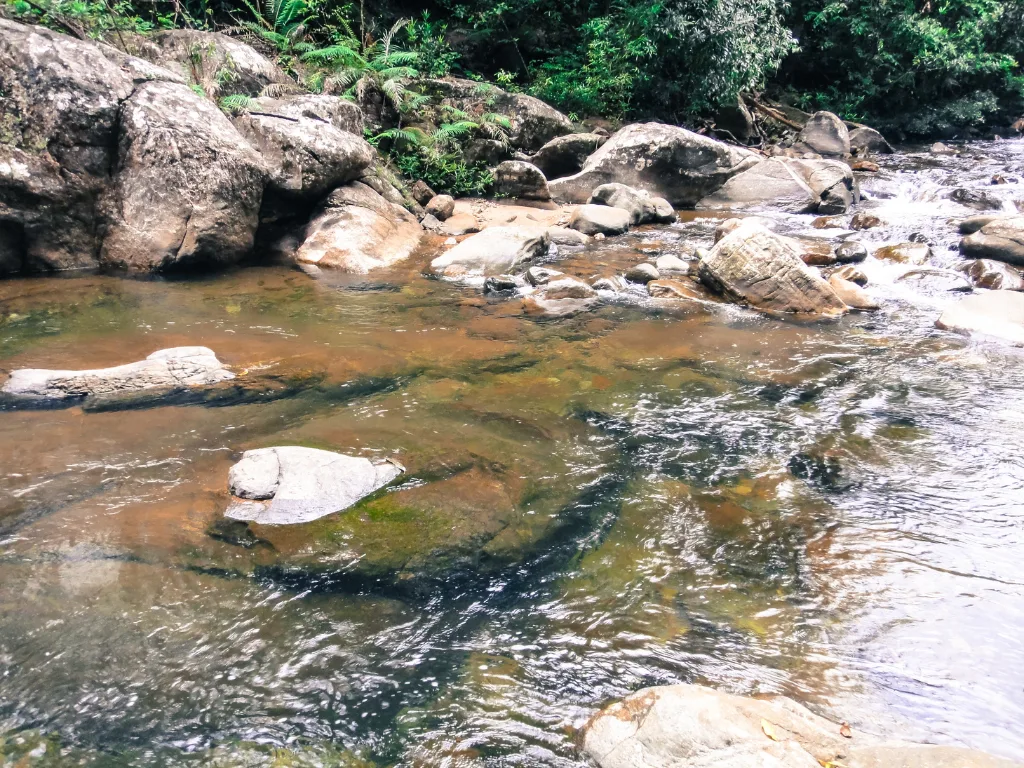
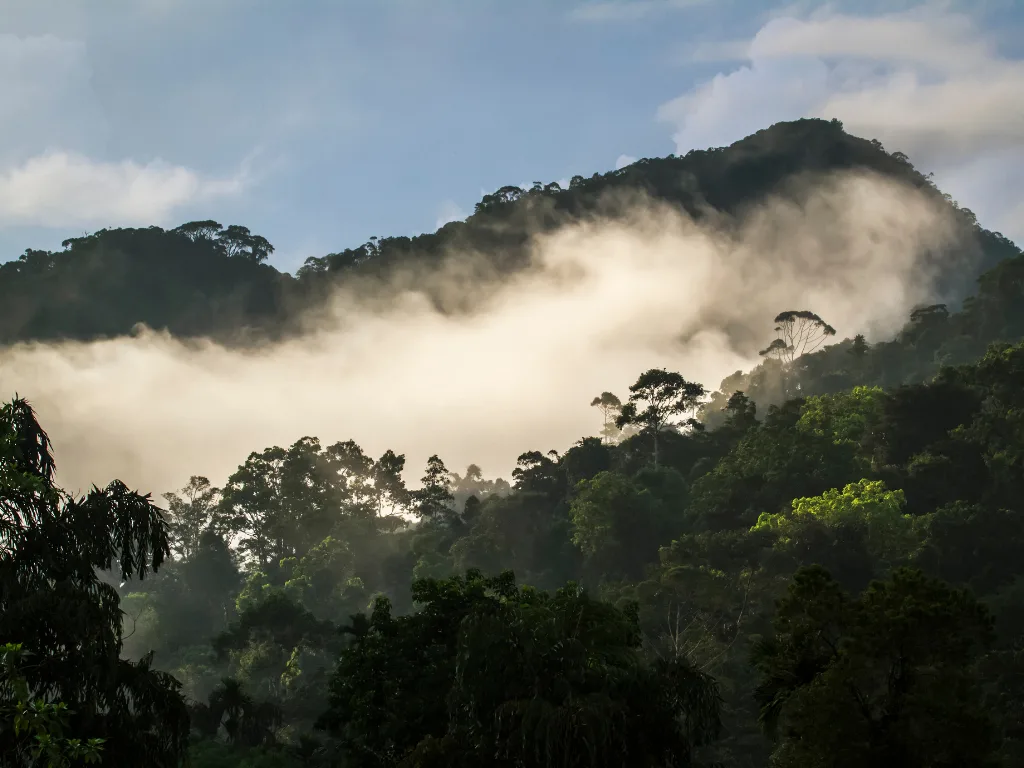
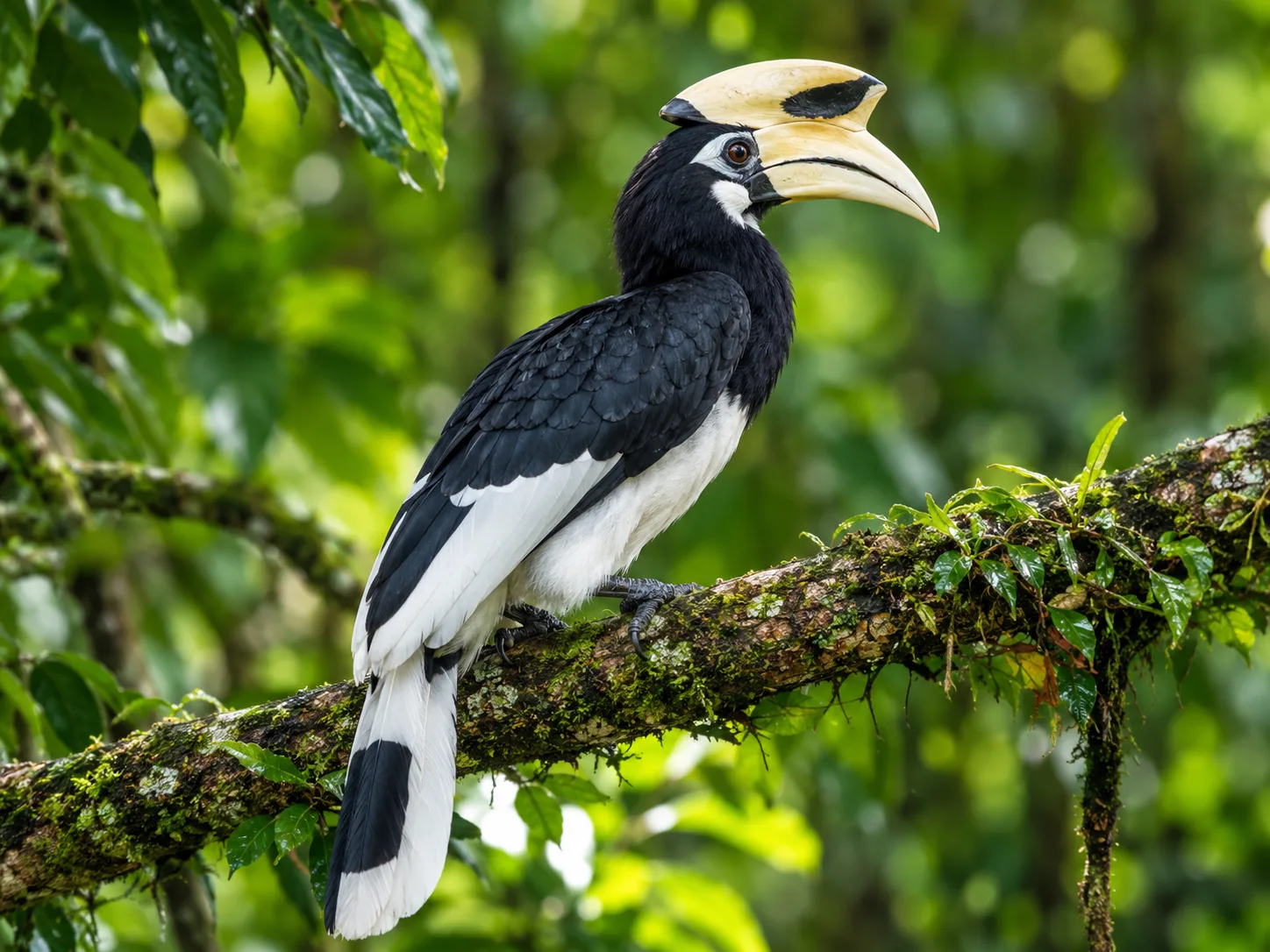
Sinharaja Forest Reserve is a UNESCO World Heritage Site and Sri Lanka's last viable area of primary tropical rainforest. This biodiversity hotspot is home to a high percentage of endemic species, including rare birds, butterflies, mammals, and reptiles, many of which cannot be found anywhere else in the world.
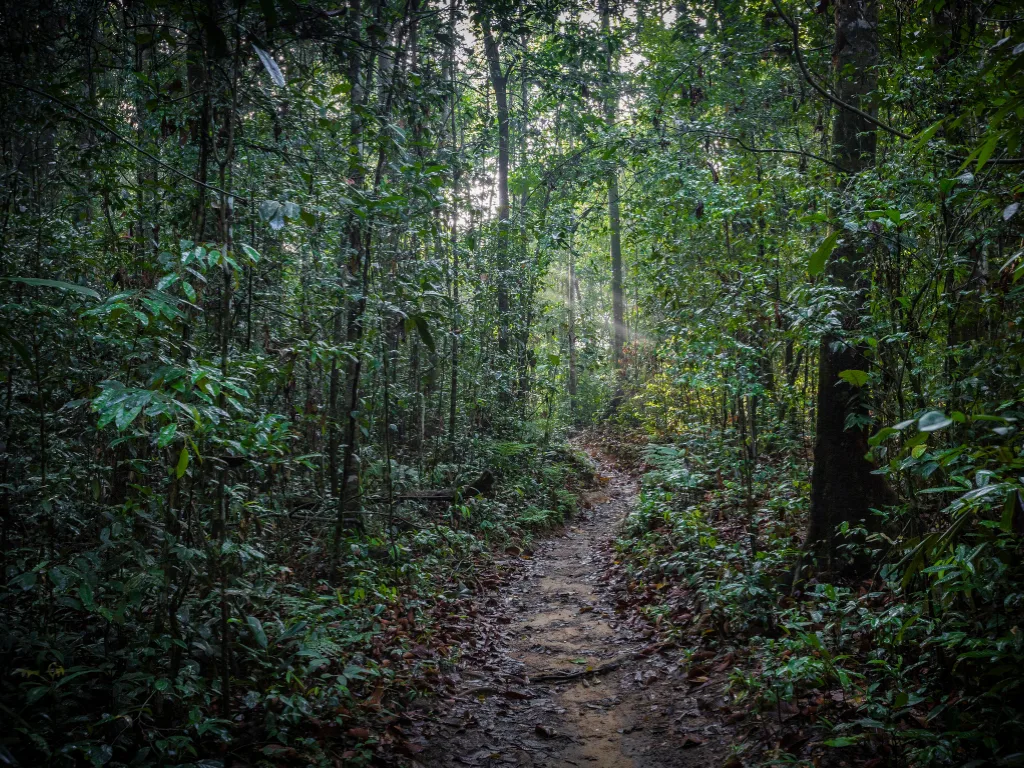
Visitors can explore the forest via guided nature trails, listening to the calls of the endemic blue magpie and the Sri Lankan junglefowl. The lush, dense canopy, cascading waterfalls, and rich ecological significance make Sinharaja a paradise for eco-tourists, birdwatchers, and nature photographers.
Why Visit Sinharaja
- Trek through the UNESCO-listed primary rainforest
- Spot rare endemic birds like the Sri Lankan blue magpie
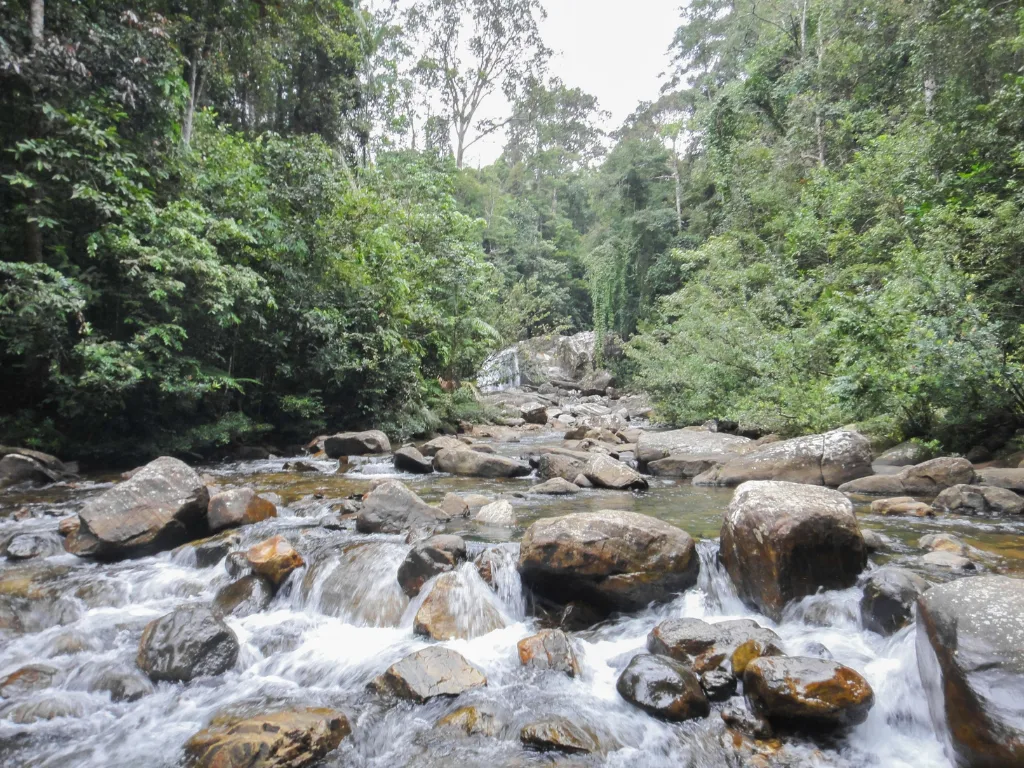
- Discover cascading waterfalls and diverse plant life
- Learn about conservation from expert local guides
Experience Sinharaja with Fast Track Travels. Our commitment to excellence ensures every moment of your journey is memorable, comfortable, and perfectly organized.
Prime Location & Climate
22°C – 30°C, warm and humid, with frequent rain showers.
Best Time to Visit
January to March and August to September for drier trekking conditions.
Expert Local Guidance
Professional multilingual guides available for a seamless experience.
Popular Tours Including Sinharaja
Discover our carefully curated tour packages that feature Sinharaja as a key destination. Each package is designed to provide you with the perfect balance of exploration, relaxation, and authentic experiences.
Where is Sinharaja?
6.4042° N, 80.4718° E
Frequently Asked Questions About Sinharaja
Yes, a licensed local guide is mandatory for all visitors to ensure safety, protect the environment, and help you spot the forest's hidden endemic wildlife.
The main trails are moderate, but the terrain can be slippery and humid. Good walking shoes and a reasonable level of fitness are recommended.
Wear light, breathable, long-sleeved clothing and long pants to protect against insects and leeches, along with sturdy, waterproof walking shoes.
Yes, leeches are common in the rainforest, especially after rain. Wearing long socks and using leech socks or repellent is highly advised.